The problem
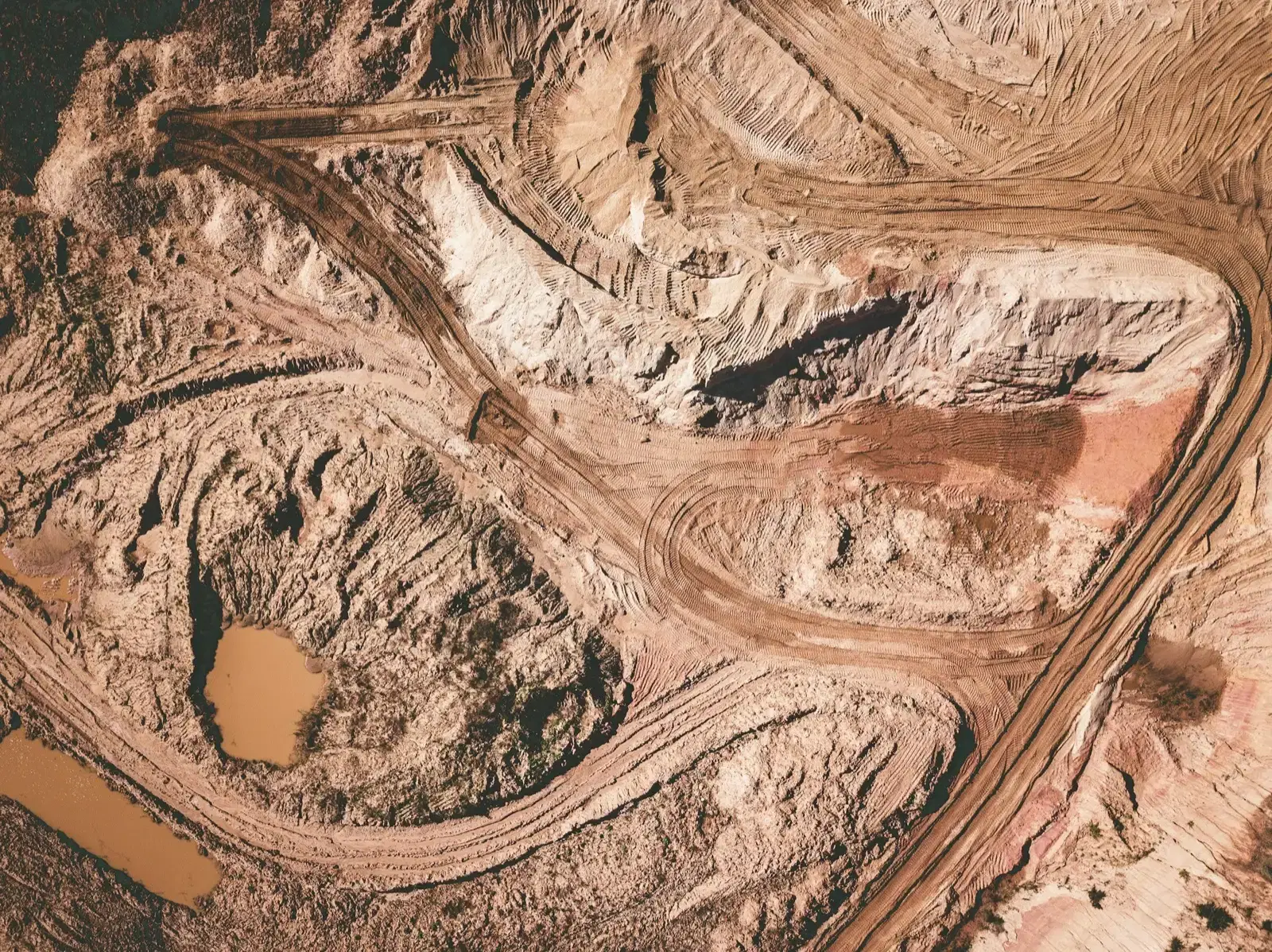
Australia Mines Rare Earths, yet Hasn’t Figured Out How to Separate Them
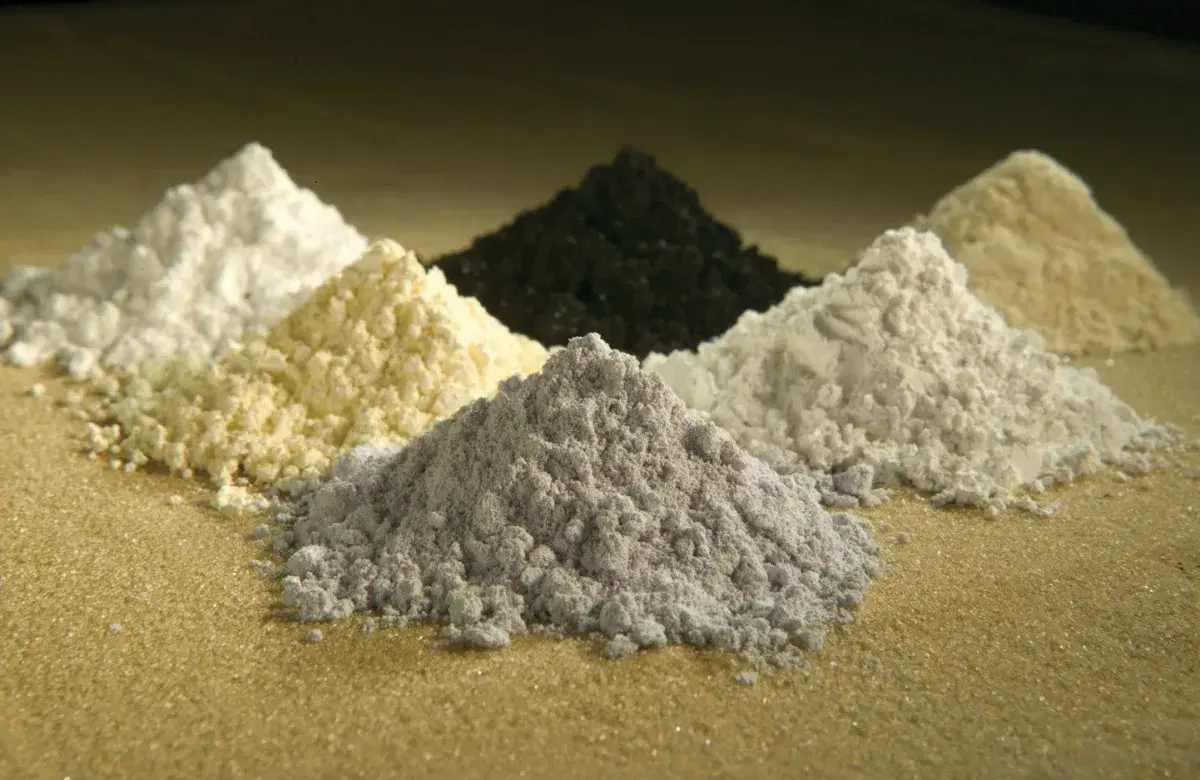
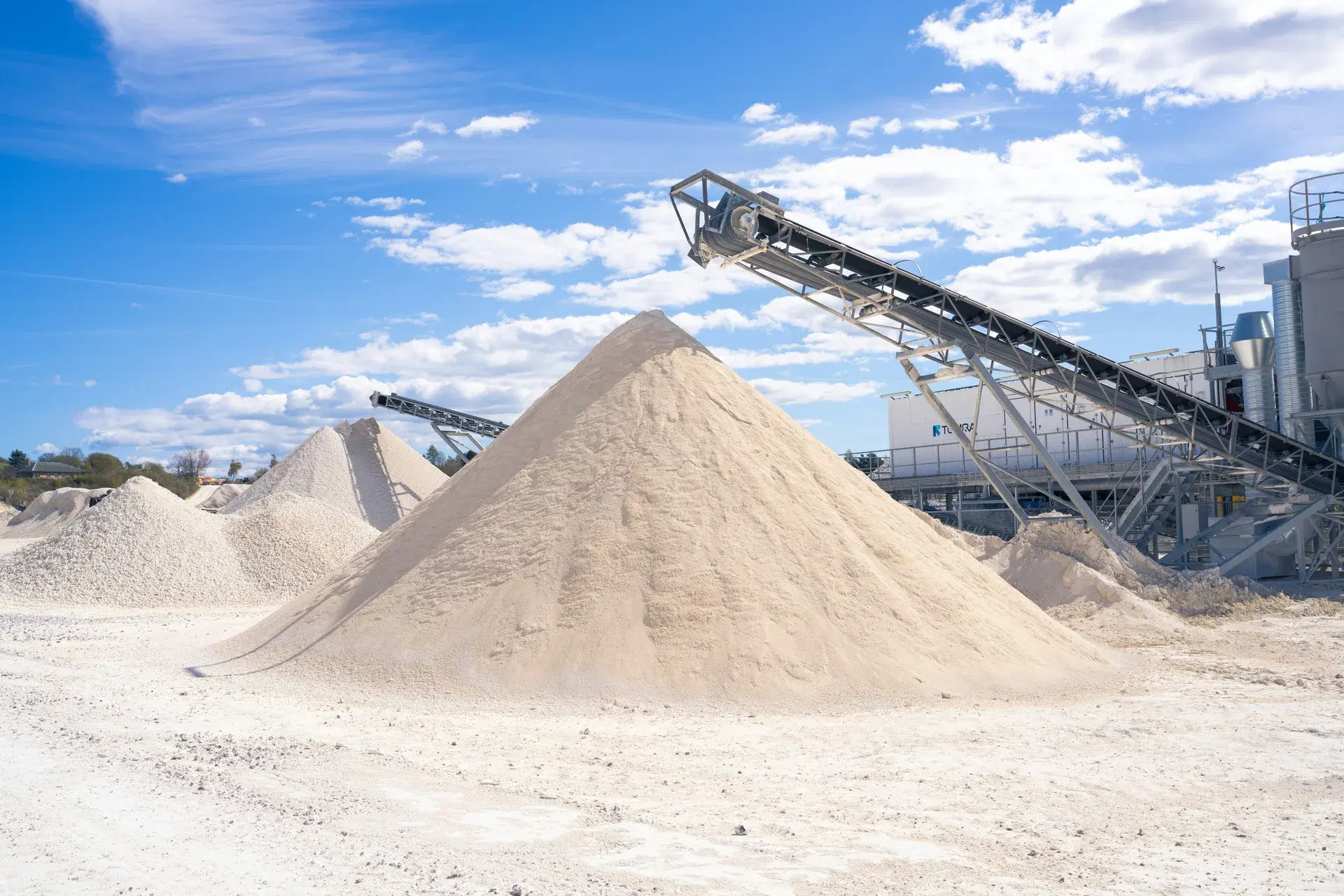
Separation of REEs adds significant value, a midstream step lacking in Australia. Concentrate or mixed REE products are shipped offshore for separation. Refined magnet metals containing REE are purchased from overseas. Theia is building a mid-stream separation platform to close the gap onshore.
Why it matters
Rare Earths are 100% Inside Your World
The devices of modern life run on rare-earth elements. Pick a device from the six below to see the component REEs essential for function. Today, Theia’s Protein Ion Exchange (IEX) separates REEs at the group level, sorting them into yttrium, light and heavy rare earths. Group separation brings a new paradigm to the existing mix of mid-stream separation methods, offering new capabilities in overall REE separation system efficiency, cost, and sustainability. The modular design of Protein-IEX, and the ability to incrementally test and add capacity, enables new ways to envision onshore processing at or near the mine.
Permanent magnets in motors and speakers.
Protein Ion Exchange (IEX)
A Cleaner, More Selective Way to Separate Rare Earths
Solvent-free
Water-based REE separation with no organic solvents, removing the environmental risk, waste disposal costs and worker safety burden of conventional separation methods.
Highly selective
Protein-IEX deploys proteins derived from nature that are highly selective for binding only the REEs. Highly selective and differential REE binding enables single-step separation of heavy and light REEs, reducing the scale, cost and infrastructure required for subsequent steps to REE purity.
Lower cost and ESG
Milder reagents, fewer stages and lower emissions than legacy separation trains. As a low-cost unit process, Protein-IEX can be used alongside or within the existing separation train, creating new opportunities to capture more value for Australian mining.
Sovereign supply
An onshore separation step for the magnet rare earths behind clean energy and defence. A modular system integrated at the mine or at regional hubs enables greater value capture plus expansion opportunities for local manufacturing and resource control.
The technology
How Protein Ion Exchange (IEX) Really Works
- 1
Load
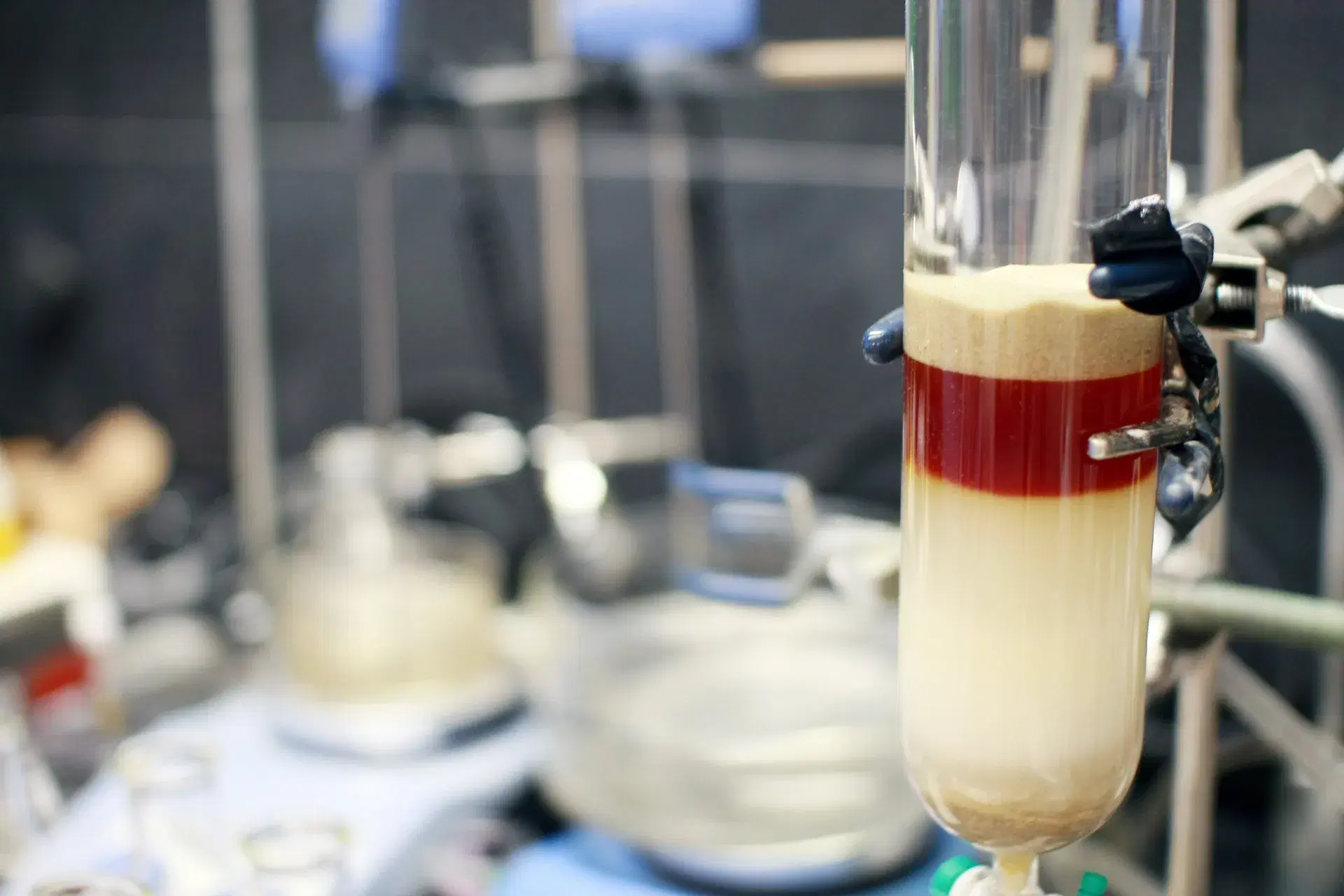
Rare-earth-bearing leachate flows through a column packed with the protein lanmodulin bound to a robust industrial resin.
- 2
Bind
The protein’s EF-hand pockets (specific structures in the protein sequence) selectively capture trivalent rare-earth ions whilst the bulk impurities pass through.
- 3
Elute
A controlled change in pH releases the captured ions in sequence, separating the high-value magnet rare earths. REE ions bind very strongly to lanmodulin, with subtle differences that allow us to separate them as the pH is adjusted, reversing the binding.
Interactive 3D, 8FNS. Structure: RCSB PDB 8FNS, Mex-LanM with Nd(III). Coordinates from the Protein Data Bank.
The difference
Ion Exchange vs Solvent Extraction
Side by side, across what matters at scale.
Sovereign Rare-Earth Separation
Made in Australia
We are proving a solvent-free separation step for the magnet rare earths that power the energy transition.